Historic $966 Million Verdict Against Johnson & Johnson
In a landmark decision that could reshape talc litigation nationwide, a jury has awarded $966 million to the family of Mae K. Moore in a wrongful death lawsuit against Johnson & Johnson (J&J). The October 6, 2025 verdict, delivered in Judge Ruth Ann Kwan’s courtroom, found J&J 100% responsible for Moore’s mesothelioma, a diagnosis that ultimately led to her death in December 2021.
This award is the largest single-plaintiff talc verdict since J&J first began facing lawsuits over asbestos-contaminated talcum powder more than 15 years ago. While some multi-plaintiff cases have resulted in larger total judgments, no individual case has ever reached this scale.
Mae Moore filed her initial personal injury complaint on February 9, 2021. After her death on December 29, 2021, the lawsuit was amended to a wrongful death claim.. Although the case originally named several companies including Avon, Chanel, Colgate-Palmolive, Dana Classic Fragrances, and Lucky Stores, settlements and dismissals left Johnson & Johnson as the sole remaining defendant by the time it reached the jury.
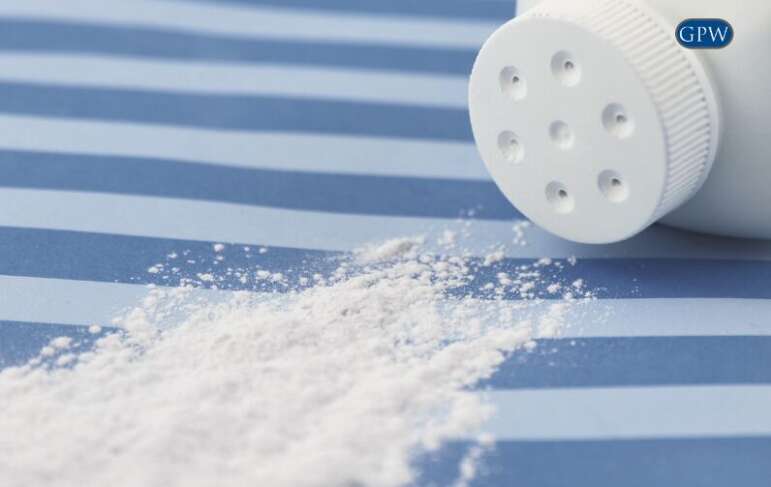
The jury determined that Johnson’s Baby Powder and Shower to Shower talc powders contained asbestos, that J&J was negligent, that products had a manufacturing defect, and that those defects substantially contributed to causing Moore’s mesothelioma.
Non-economic damages were awarded both to Mae Moore and her three daughters.
But the most surprising figure came in the form of $950 million in punitive damages. Punitive damages are intended not to compensate victims but to punish corporate misconduct; particularly when malice, fraud, or oppression is involved.
The amended wrongful death complaint relied on hundreds of exhibits that spanned nearly 100 years. These documents outlined a pattern of asbestos findings, internal warnings, and alleged efforts to minimize or conceal contamination risks. Evidence showed that as early as the 1930s, scientific literature identified asbestos as a common impurity in talc. J&J was aware of these concerns through its involvement with the National Safety Council. The lawsuit further argued that despite this knowledge, J&J continued to market its talcum powder as safe for daily use on adults, babies, and even newborns.
By 1969, internal communications showed J&J was concerned that tremolite asbestos contamination in talc could lead to pulmonary disease, cancer, and ultimately, litigation. Additional company memos from the 1990s confirmed J&J knew mesothelioma could result from non-occupational, low-level asbestos exposure.
With more than 67,000 talc-related lawsuits still pending, the Moore verdict could influence how future juries view allegations of asbestos contamination and corporate misconduct. While appeals may reduce or alter the final award, the jury’s findings offer hope for families seeking accountability, greater transparency, and long-overdue justice in talc-related cancer cases.
If you or a loved one has been diagnosed with mesothelioma after using talc-based products, our attorneys can help you understand your legal options.